Choosing a local print shop is rarely about picking a name—it’s about confirming that your exact deliverable can be reproduced accurately using your artwork and approval workflow. For Patrick Printing in Rochester, NY, the most useful starting point is to verify how they handle “print-ready” files, proofs, and production timelines for the kinds of jobs you’re planning.
Before you call, anchor your decision to a simple question: What will you approve, and what will you receive? The difference matters for business cards, brochures, banners, and other marketing or operational print items where color, type, and layout accuracy affect the final outcome.
Start with the deliverable you need (not the broad category of “printing”)
Patrick Printing’s public product and services navigation highlights common project types like business cards, labels, postcards, banners, booklets, and bindery & finishing, alongside graphic design and marketing support. Translate that into your own request by naming the finished item you’ll use: e.g., “a tri-fold brochure with full color, ready to distribute,” or “logo-ready business cards with the exact crop.”
If your project is more specialized—like blueprints/engineering prints—confirm which workflow applies and whether you’re expected to provide a CAD-based or PDF-based file. Patrick Printing’s site also points readers to a “File Prep 101” and “Online Proofing” resources, which is a good signal that they expect customers to come prepared.
Match your file readiness to how their process works
One of the most practical fit checks is file preparation. Patrick Printing’s site emphasizes “Print Ready PDF files preferred” and provides guidance on preparing and submitting artwork files. In other words: if you want fewer surprises, ask what “print-ready” means for your specific product.
When you contact them, request answers to these concrete topics:
- Preferred file types (especially whether PDF is required or strongly preferred).
- Color approach for your job (how they expect spot colors vs. process color).
- Bleed, crop, and layout safety—how they handle “full-bleed” designs and edge elements.
- Fonts and text: whether fonts must be embedded or outlined.
This is where the public proofing resources matter: the smoother your file-to-proof path, the more likely your approval reflects the finished result.
Confirm proof approval: what gets reviewed, and what changes after approval?
Even with good files, proof approval is where decisions get locked. Patrick Printing’s website includes resources around online proofing and submitting files, so it’s reasonable to expect a proof step in many workflows. Your decision should depend on clarity here:
- What does the proof show (color, layout, text, finishing effects)?
- Who approves—do you sign off digitally or via email?
- What happens after approval (are revisions limited, and is there a reproof fee)?
Ask for their standard workflow, then compare it to your project reality. If you have stakeholders who need to review, build enough time for review cycles.
Check timeline expectations for your scope
Production speed can vary by complexity, quantity, and finishing. On its site, Patrick Printing notes that for certain items—specifically blueprints/engineering prints—the shop’s focus is speed, and it “normally can complete your order within 48 hours.” Use that as a signal, not a guarantee: confirm your turnaround based on your exact deliverable, quantity, and any finishing/bindery needs.
If your job is time-sensitive, ask what “48 hours” means in practice: is it from file approval to completed production, and does it assume print-ready files are already provided?
Use the Rochester location and contact details to remove friction
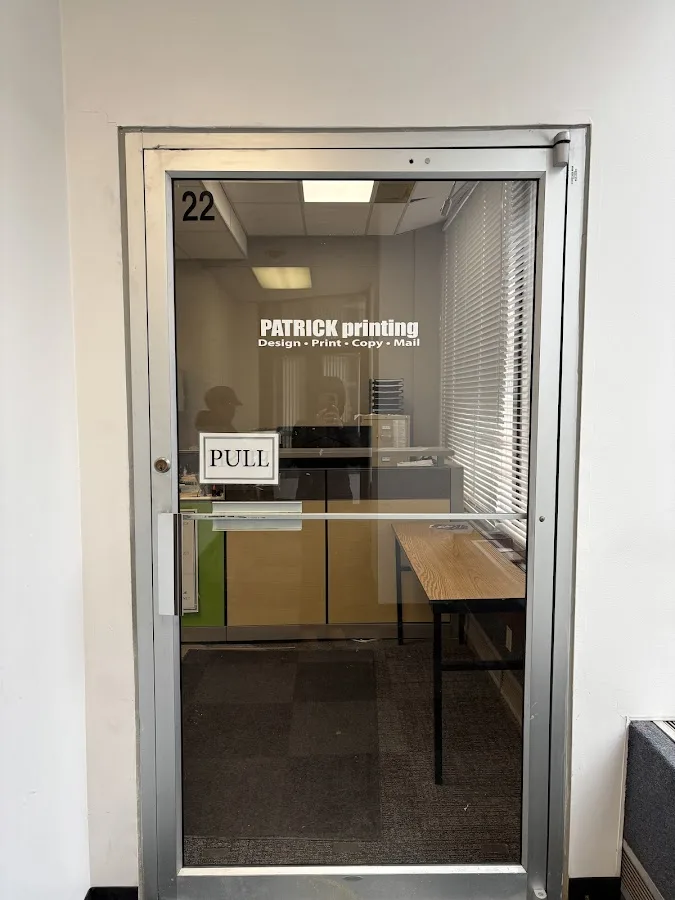
Local fit still matters. Patrick Printing lists its downtown address as 16 E Main St Suite 22, Rochester, NY 14614, United States and its phone number as +1 585-232-1500, with the official website at http://www.patrickprinting.com/. Before you place an order, confirm the details that affect your workflow: pickup/drop-off expectations, how they receive files, and which proof options are available for your product type.
If you can get clear, consistent answers about file preparation and proof approval, that’s a strong indicator the shop can support your decision-making. If answers are vague—especially around “print-ready” requirements or what happens after proof approval—push for specifics before moving forward.
When you align deliverables, proof workflow, and file readiness up front, you’re not just ordering print—you’re setting yourself up for fewer last-minute edits and a finished piece that matches your intent.