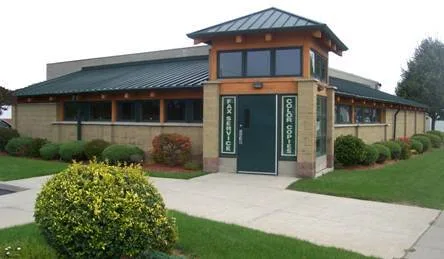
Rapid Ray’s Printing & Copying in Buffalo positions itself as a quick-turn print shop at 300 Broadway, with a phone line at +1 716-852-0550 and an online starting point at http://rapidrays.com/. If you’re comparing local providers, the smartest move isn’t to shop by “digital” or “offset” labels—it’s to lock down the exact deliverable, the artwork setup, and the proof approval process before you authorize production.
Start with the deliverable wording (not just the category)
Ask for confirmation of what will be produced in plain language. For example: a “set of business cards” can still differ by size, finish, stock, bleed, and whether you need single- or double-sided printing. If you’re ordering promotional materials (flyers, brochures, or direct mail), the deliverable wording should also include final trim size, quantity, and any folding or insertion steps.
From there, tie your request to what you actually need the piece to do—hand out at events, mail to prospects, or include inside another package—because the finish and formatting decisions are usually driven by that use case.
Confirm how they handle digital color printing and copy jobs
Rapid Ray’s lists services that include digital color printing and copying, plus related production options like offset printing and variable-data approaches. That variety is helpful, but it also means you should ask which process they recommend for your specific job and why. Your goal is to get a clear rationale based on your timeline, quantity, and how color-critical the artwork is.
Be specific when you describe the files: whether you have vector artwork, layered PDFs, or flattened images; whether fonts are embedded; and whether any elements need spot treatments or strict brand colors. If your project is color-sensitive, request the shop’s recommended proof method (digital proof, printed proof, or another workflow) before you approve the final run.
Make “proof approval” a versioned decision
Proofing is where reprints usually start. Treat approval like version control. Ask these questions in one call or email thread so everything stays documented:
1) What exactly will the proof show (color, bleed, trim, and any finishing)?
2) What changes are allowed after approval, and how are they handled operationally?
3) How will you receive the proof and what counts as “approved”?
Rapid Ray’s emphasizes guiding clients through the process, so you should expect them to explain what “approved” means in their workflow. If the answer is vague, ask for a written confirmation of the approval step and the turnaround impact of changes.
Align turnaround expectations with your deadline and delivery plan
The shop’s public messaging highlights quick turnaround and delivery options. Still, don’t rely on marketing phrases—ask for an achievable production timeline that accounts for file review, proofing, and any rework. If you have a hard deadline (event date, campaign launch date, or mailing drop), request a schedule that you can plan around.
Also clarify your logistics needs: do you want pickup, delivery, or another fulfillment approach? Even if they generally support delivery, your best practice is to confirm what applies to your job size and where your materials need to go.
Direct mail and multi-step jobs: confirm the workflow early
For direct mail projects, ask what “one-stop-shop” means for your specific order: whether they handle design-to-print, list/variable-data setup (if applicable), and the final mailing distribution step. The key is to separate what they print from what they deliver, so there’s no confusion about who owns each portion of the process.
Use these questions to decide if Rapid Ray’s is a fit
When you’re ready to contact Rapid Ray’s Printing & Copying at +1 716-852-0550 or via http://rapidrays.com/, bring your deliverable details and ask:
• Which exact item format will you produce (size, sides, finish, and any folding)?
• What file specs do you need for a reliable proof (PDF version, fonts, bleed)?
• How do you handle changes after proof approval?
• What production timeline should you plan for, including proof time?
If you can get direct, specific answers to those points, you’ll be comparing apples to apples. And that’s the fastest way to reduce reprints, protect brand color, and keep your marketing timeline on track.