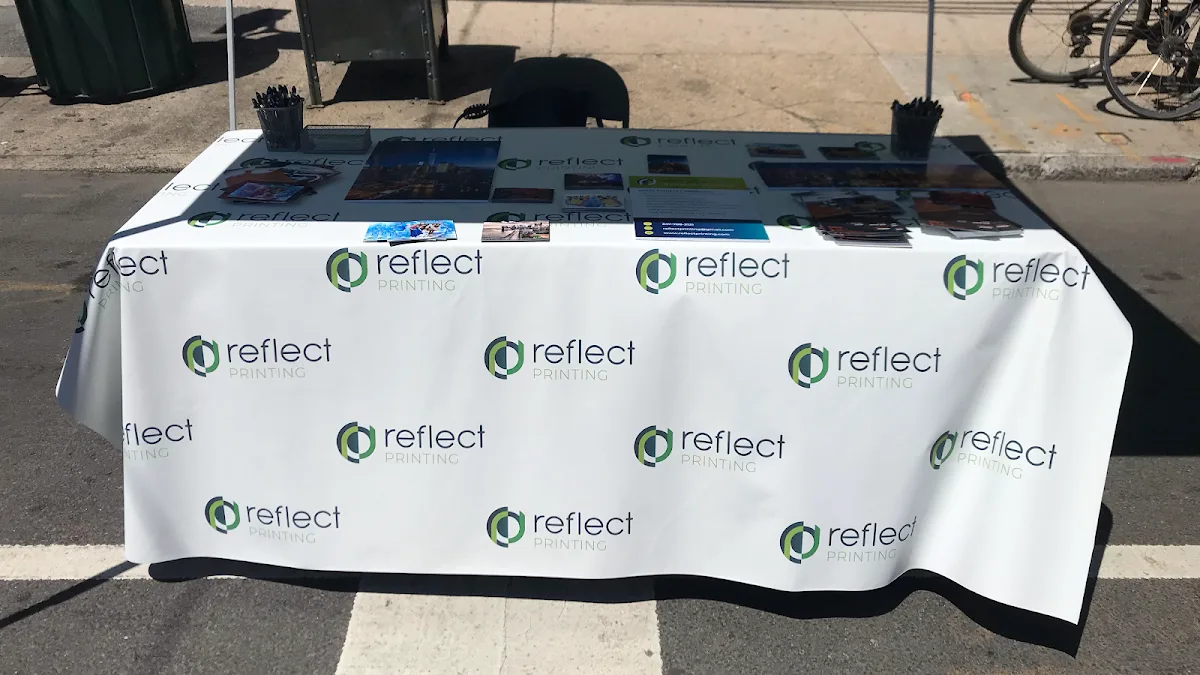
Choosing a print shop is easier when you treat the process like production planning, not just “make it pretty.” Reflect Printing & Graphic Design in Long Island City serves clients who need marketing signs, wide-format pieces, and graphic installations—so the fastest way to avoid reprints is to lock the deliverable details before anyone starts production. Reflect publicly lists its contact and location as 43-01 21st St UNIT 230, Long Island City, NY 11101, with phone +1 347-788-2121, and it also points to its official site at http://www.reflectprinting.com/.
Start with the exact deliverable (what you’re really ordering)
When people say “signs” or “graphics,” they often mean different things. Before requesting a quote from Reflect Printing & Graphic Design, write down the specific outputs you need, including size, mounting expectations, and where the piece will be used. For example, Reflect’s site language highlights wide-format printing and sign-focused products such as banners, menu boards, window signs, custom decals/lettering, and custom made cut vinyl. That means you should confirm whether your request is:
a) a printed banner or a mounted sign, b) window vinyl/lettering versus decals for a flat surface, or c) a large photo poster/canvas-style print versus something designed for a specific fixture.
Lock the “approved proof” so the final matches the version you sign off
For color-critical graphics (logos, brand colors, and high-contrast text), the approval step is where mismatches are born. Ask Reflect what their proofing process looks like for your format—then require proof approval based on a versioned file, not “the latest upload.” Make your approval message concrete: confirm that the approved proof includes the final crop, text, font choices, and layout spacing.
Even if you’re working with a known brand file, wide-format output can behave differently than a screen mockup. Treat the approved proof as the contract for what will be printed, and request a clear statement of what changes are allowed after approval.
Confirm finishing and installation expectations early
Reflect’s public messaging includes graphic design plus installation and local delivery, which is useful for clients who don’t want to coordinate separate vendors. But “installation available” still needs specifics. When you place your order, ask what finishing options apply to your piece (for example, how vinyl lettering will be cut and applied, or how banner-related items are handled) and whether installation is part of the scope you want.
If you’re the one installing, clarify what materials or prep are included. If Reflect is installing, clarify what access conditions are required and who is responsible for confirming placement before installation day.
Tell them how the piece will be used (so materials match reality)
Usage affects how you should design and how you should spec materials. A window sign needs different expectations than floor or wall graphics, and indoor and outdoor use can change how you should think about visibility, durability, and readability. If your project involves decals or cut vinyl, describe the surface and environment as specifically as you can.
Reflect also describes personalized and large-size print options (including larger-format posters and canvas-style items). That’s another reason to avoid vague requests: “large poster” can mean different aspect ratios, paper-like versus canvas-like output, and different presentation goals.
Plan your file prep to reduce revisions
Many reprints happen because the shop receives a file that can’t reliably reproduce the intended artwork. Before you send anything, confirm file requirements (typical examples include preferred design formats, bleed expectations, and whether fonts should be converted or embedded). If you have brand guidelines, share them in the same message as your artwork.
Also ask how Reflect prefers you provide final assets when multiple versions exist—especially if you have separate files for logos, signage text, and background elements. The goal is simple: one clearly identified final artwork set that matches the proof you’ll approve.
Use the location and contact details as part of your decision
If your project timeline depends on coordination, it’s reasonable to confirm operational details directly. Reflect lists a NYC-area contact path and phone number, and it also states it offers services including delivery and installation. When you call at +1 347-788-2121, reference your deliverable (banner, window vinyl, cut lettering, or other wide-format output) and ask how the proofing and finishing steps work for your specific format.
Ordering wide-format signs and custom cut vinyl goes smoothly when you treat deliverables, proofs, and finishing as separate decisions. If you confirm scope up front, approve the version that matches your contract, and specify how the piece will be used and installed, you reduce the odds of surprises—and you’ll get graphics that look like the brand on day one.