When you’re ordering print and graphic work, the hardest part usually isn’t finding a shop—it’s making sure the job you approve is the job that gets produced. For projects routed through Zoom Printing & Graphics in Syracuse, that means treating your first conversation like a production-planning call: confirm what’s being printed, how color is handled, what “approved” means, and how your files will be prepared for press.
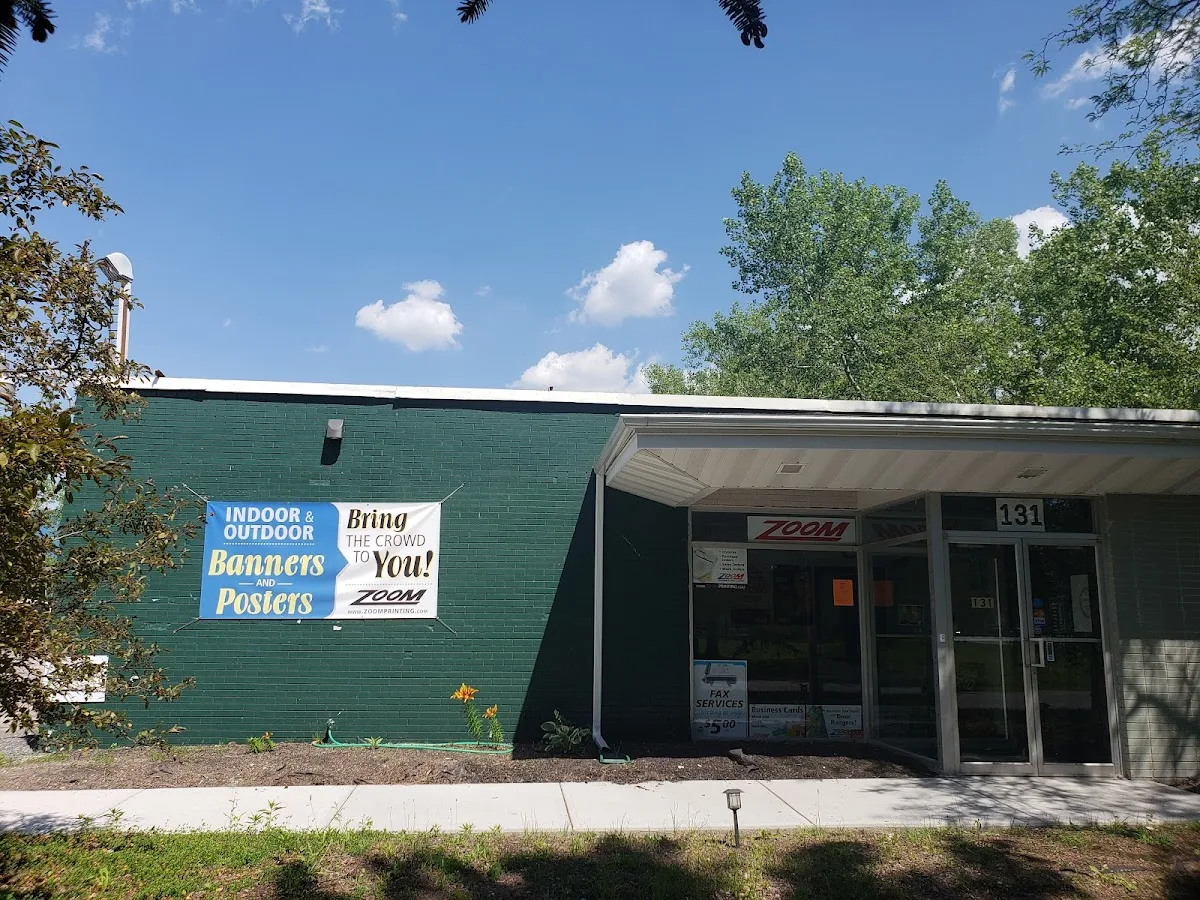
Based on the current listing details for Zoom, you can reach the shop at +1 315-474-2679, and you’ll find it at 131 Falso Dr, Syracuse, NY 13211. The shop also lists its website as http://www.zoomprinting.com/. Use that information to anchor your request, especially if you need quick turn or color-critical branding.
Start with deliverables: what exactly are you ordering?
Before you send artwork, clarify the output in plain language. Ask for a one-sentence restatement of your scope: for example, business cards vs. business card sets, single-sided vs. double-sided, or flyers that require trimming and folding. This step matters because printing timelines and file requirements change depending on finishing choices.
Also confirm whether your job is “print-only” or includes design support (logo cleanup, layout, or basic graphic adjustments). If you’re combining text updates with an existing logo, be explicit about what’s staying the same and what’s changing.
Lock the size, bleed, and final crop rules
For anything that will be cut close to the edge—like flyers, postcards, brochures, and many sign formats—your proof should correspond to the final trim. Ask how they handle bleed and crop so you don’t approve artwork that looks correct but ends up shifted after trimming.
Ask how proofs work for color-critical jobs
If your project includes a logo, brand colors, or any element that must match previous collateral, proofing becomes your risk-control step. Instead of asking only “Can you proof it?”, ask what “proof approved” means operationally.
At Zoom Printing & Graphics, treat proof approval as a mutual sign-off on production-ready data: file placement, color handling approach, and what the preview is designed to represent. If you’re using brand spot colors or specific hex/RGB values, confirm how those are evaluated and whether you should bring prior references.
Confirm turnaround by tying it to approval timing
Turnaround estimates are only reliable when they reference when your job becomes “approved for production.” Ask for the schedule relative to proof approval, not relative to the day you submit files. Then add a buffer for the reality of reviews—especially if stakeholders need to see the proof.
File-fit checks that prevent last-minute fixes
Many reorder problems are file-fit problems: the artwork is almost right, but the printer’s process requires specific setup. Ask what file types and export settings they prefer, and whether they need fonts outlined, linked images handled a certain way, or a particular PDF profile.
Bleed, resolution, and image placement
For raster images, confirm the minimum resolution standard they look for (it varies by job size and printing method). For vector elements, confirm whether they prefer native formats or PDF exports. The goal is to ensure your proof reflects the final placement—so trimming and scaling don’t introduce unexpected softness or cropping.
Direct mail and marketing materials: align the list and the layout
If your order includes marketing materials that will be distributed (postcards, direct mail pieces, or brochures), build the order around how addresses or variable elements get handled. Ask how they align the layout to the mail-piece dimensions and what constraints exist for margins and safety areas.
Even if you’re not providing variable data, keep the conversation anchored to the deliverable size and finishing requirements, because those details dictate everything from panel layout to where copy can safely run.
What to ask before you hit “send”
To make your first order smoother, call or message with a short checklist tied to your job:
1) Restate the deliverables (quantity, size, side count, and finishing). 2) Ask how proof approval maps to production. 3) Confirm bleed/crop rules and file-fit requirements (PDF setup, resolution expectations, and font handling). 4) Request turnaround relative to approval date.
For a Syracuse print job with clear expectations, you can start with the concrete details already listed for Zoom Printing & Graphics at 131 Falso Dr and +1 315-474-2679, then use those questions to make your order production-ready from the start.