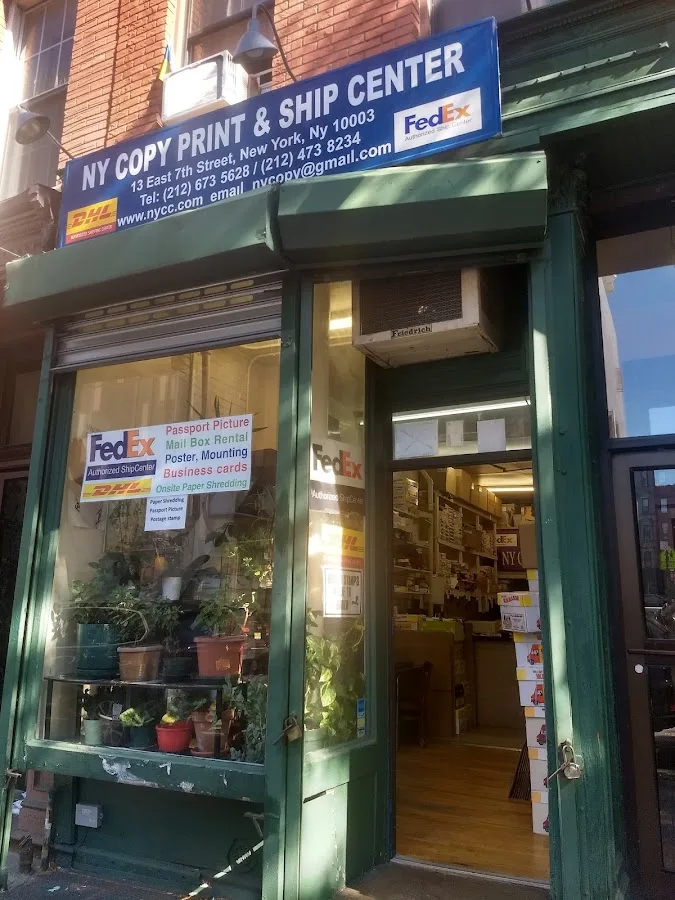
Reprints usually trace back to small but fixable file issues—missing fonts, images that don’t hold up at the intended size, or artwork that doesn’t match the final dimensions. At NY Copy Print & Ship Center, a graphic design & print studio in New York, NY 10003, you can lower the risk of surprises by treating the final moment before submission as a preflight pass. If you’re sending files to a shop that will produce your order, the goal is simple: make sure what you see in your design file translates cleanly to production.
Match the artwork to the finished print size
One of the most common causes of reprints is preparing artwork at the wrong dimensions. Before you upload, confirm the intended finished size and compare it to the document dimensions in your design file. If your layout includes borders, safe areas, or bleed-like elements, double-check that they’re set up consistently with the output requirements for your project so nothing gets unexpectedly cropped or shifted.
Keep typography stable (fonts and formatting)
Text can change when fonts aren’t embedded or when a design depends on fonts that aren’t available in production. Review your typography carefully: confirm font choices, check kerning and spacing, and watch for any automatic substitutions that could alter how your message appears on the printed piece. When your text formatting is consistent in the final file, you reduce the chances that the printed result doesn’t match what you approved.
Verify image clarity at the scale you’ll print
Images may look sharp on a screen, but scaling and effective resolution can affect print quality. Inspect the effective resolution of placed images and verify they’re crisp enough for the size you’re producing. If you’re using raster photos, scaling them up too far inside the layout can degrade clarity, which can show up as blurriness or unexpected softness in the final print.
Review color settings and expectations
Even when the layout is correct, color is another frequent reason printed results differ from what was expected. Review your color workflow and how your design represents color. If your artwork is built around a specific look, keep your files organized so the intent in your design carries through to production with fewer last-minute adjustments.
Submit the correct version every time
Sometimes the issue isn’t the artwork—it’s the file you sent. Avoid reprints by using version control habits. Rename files clearly, avoid uploading from multiple drafts, and keep a final “production copy” that reflects exactly what you want printed. If you’ve made any last-minute changes, confirm that the upload corresponds to the newest exported version before you finalize submission.
Reach out early if anything feels uncertain
If you’re unsure whether your files are ready, contacting the studio before production starts can help prevent downstream problems. You can contact NY Copy Print & Ship Center by phone at +1 212-673-5628, or visit http://nycc.com/. The shop is located at 13 E 7th St, New York, NY 10003, United States—so it’s straightforward to connect with the team behind the graphic design & print production.
Run a final preflight review right before you send
Right before submission, do one deliberate pass through the details that most often trigger reprints: confirm the size matches the intended finished dimensions, verify fonts and text formatting, check image clarity at the intended scale, and ensure your color intent is consistent. When these basics are aligned, you’re much less likely to need a reprint due to avoidable file problems.
By combining careful preflight checks with a clear submission process, you can help ensure your print job reflects the artwork you designed—and spend less time correcting avoidable issues after production begins.