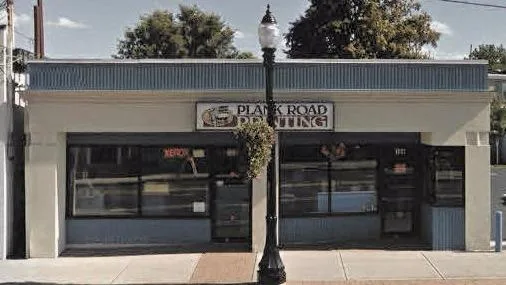
When you’re choosing a print shop, the biggest difference usually isn’t whether they can “print”—it’s whether your job can be produced the way you approved it. Plank Road Printing operates out of 108 N Main St in Syracuse, and their website highlights offset and digital printing for a wide mix of business materials. Their contact details are also clear (phone: +1 315-458-3584; website: http://www.plankroadprinting.com/), which makes it easier to confirm specs before you send files.
This guide is written for buyers who want fewer surprises: what to clarify about your deliverable, how to set proof approval up to mean “production-ready,” and how to time your order so production and finishing fit your deadline.
Start with the deliverable: what exactly are you ordering?
Before you ask for quotes, define the finished item you need. Plank Road Printing’s site mentions common business products such as letterheads, brochures, stationery, and booklets—plus items like business cards and multi-part carbonless forms. The risk is assuming two shops will interpret your request the same way. Instead, write the job down as finished outputs and finishing requirements.
Be ready to describe:
- Finished size (the trim size you want, not the document size you started with)
- Quantity and whether you’re expecting multiple versions
- Paper/stock preferences (or constraints, like “must feel premium” or “must be writable”)
- Finishing (folding, binding, or any multi-part needs)
If you’re unsure, ask the shop to “confirm the deliverable” based on your goal. A good quote depends on the same definitions you’ll use when you approve proofs.
Offset vs. digital: decide based on volume and deadlines
Plank Road Printing states they provide both offset and digital printing. While you don’t need to be a production expert, it helps to understand the tradeoff so you can compare answers from different providers.
In practice, buyers often choose:
- Digital when they need flexibility, faster iteration, or smaller runs that may change.
- Offset when the project benefits from traditional consistency for larger quantities and stable artwork.
What to verify with the shop: how they plan the production workflow for your specific job and how changes after proof approval are handled (for example, whether revisions delay production). If your deadline is tight, mention it early and ask what timeline is realistic once proofing is complete.
Make “proof approved” actually production-ready
A proof that looks good on screen isn’t always proof that is ready to produce—especially for color-critical items like brand logos or forms with subtle alignment. Ask the shop to confirm what “approved” means.
Use this proof-approval language to tighten the process:
- Final crop and trim: confirm where trimming will occur and that important elements sit inside the safe area.
- Bleed and background: verify whether background colors reach the edge and whether any elements need extension for production.
- Text proofing: request that your spelling, fonts, and line breaks match the approved layout.
- Color expectations: if your logo has brand-specific colors, ask how they handle color matching for your job.
Then, before you approve, check for practical production issues: do you need any variable data, multiple versions, or special handling for multi-part documents? Plank Road Printing’s listing includes items like multi-part carbonless forms, which typically require careful layout and correct alignment across parts.
File prep checks that prevent last-minute fixes
Even when the print workflow is strong, the job can stall if the files don’t fit the production requirements. Don’t wait until after you send artwork to ask “do you accept this?”
At minimum, ask Plank Road Printing what file formats they prefer and confirm these basics:
- Resolution for images (avoid low-resolution exports)
- Fonts (embedded vs. supplied, and whether they substitute)
- Overprint/black rules for logos and type
- Color mode expectations (so you aren’t surprised by how colors convert)
- PDF readiness: whether they want a flattened PDF for production
This is also the time to confirm shipping options if you need delivery beyond pickup. Their website states shipping is available throughout the U.S., so it’s reasonable to ask how that integrates with your timeline.
Timeline planning: approval to production to delivery
Your best schedule includes proof approval time. Plank Road Printing’s hours of operation are shown on their site (Monday–Thursday, 8:30 a.m.–4:00 p.m.; Friday, 8:30 a.m.–1:00 p.m.), so ask how quickly they can review proofs once you submit artwork and how long production typically takes after approval.
If you have a campaign deadline (mail date, event date, or print-to-handout deadline), work backward. Build in buffer for revisions, especially if you expect to adjust copy, swap images, or finalize variable details.
Contact-ready questions for Plank Road Printing
When you call +1 315-458-3584 or use http://www.plankroadprinting.com/ to start the conversation, come prepared with questions that map directly to your risk areas. For example:
- Can you confirm the finished size, bleed, and finishing requirements for my specific deliverable?
- For my quantity and deadline, would you recommend offset or digital—and why?
- What does proof approval include, and how do you handle changes after approval?
- What file specs (format, fonts, color) should I follow to avoid production delays?
- What timeline should I plan from proof approval to delivery (especially if I need shipping)?
With those answers locked early, ordering printing becomes less about guesswork and more about managing production variables—so you get the business materials you expected, when you need them.