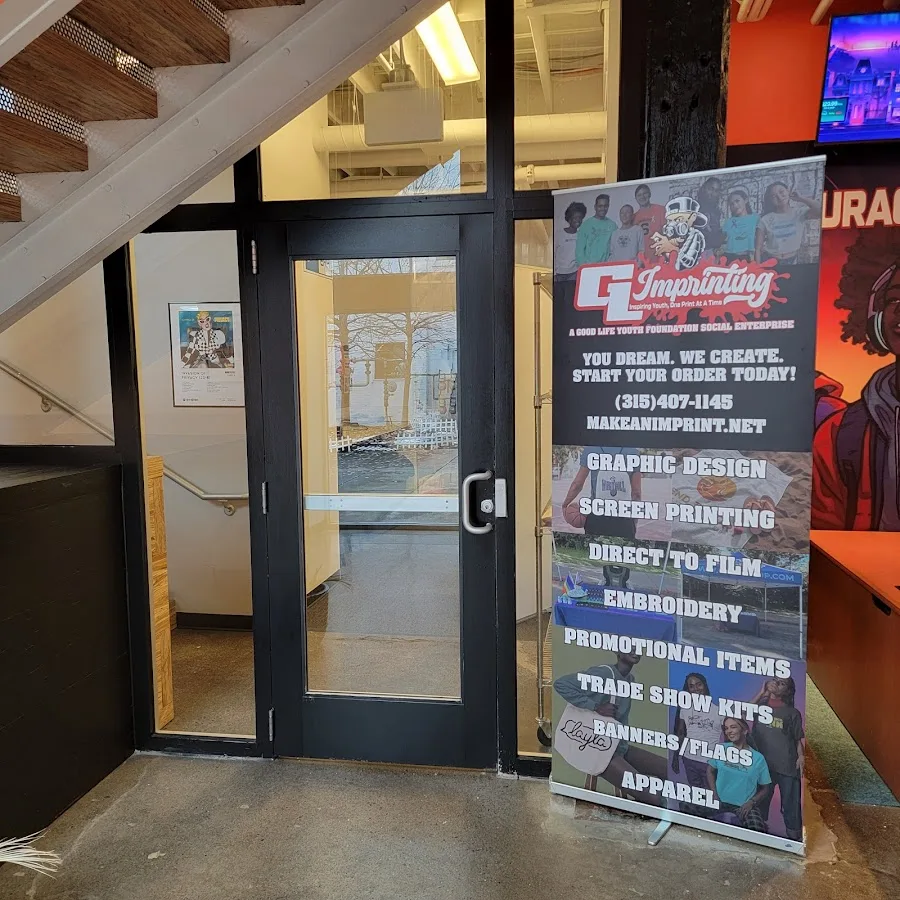
Ordering a logo or large-format print is only as smooth as the details around production. For GL Imprinting in Syracuse, the business information available publicly makes it easy to start with: the studio is at 101 Wyoming St, Syracuse, NY 13204, you can reach them at (315) 407-1145, and their official site is https://makeanimprint.net/. Before you send artwork or approve a proof, use a deliverable-first approach—so the final piece is what you actually intended to receive.
Start by defining your finished deliverable
“Custom logo printing” can cover very different outcomes, even when the artwork is the same. Before you contact GL Imprinting, write down what you need in finished form: the final size, the intended use, and where the piece will be displayed. If you already have a layout, include the art files; if you don’t, ask whether their graphic design and print workflow supports creating production-ready output based on your requirements. When you describe the end use and final dimensions up front, you reduce the chances of mismatched sizing or repeated clarification later.
Clarify what “proof approval” means for color and alignment
Many print issues trace back to one statement: “We approved the proof.” To avoid ambiguity, ask what the proof specifically covers and how approval relates to what will be produced. For a logo, you’ll typically want clarity on layout, fonts, sizing/placement, and the color expectations for brand accuracy. Ask whether corrections are handled as changes before production, and whether revisions count as separate rounds.
If your order includes more than one deliverable (for example, multiple pieces that are meant to match), confirm whether the same proofing standard applies across everything in the run. The goal is simple: you’re approving the file that reflects production reality—not a preview that may drift once manufacturing begins.
Confirm file requirements and your responsibility for setup
Even a strong logo can run into problems if the file isn’t production-ready. When you reach out to GL Imprinting, ask what file types they can accept and what they require for best results, including whether fonts should be embedded or outlined. Also confirm that the dimensions match the finished product and include the right bleed setup if your piece requires it.
If you’re providing artwork, don’t rely on screenshots. Ask how they want color represented for your specific job, especially if brand accuracy matters. If you don’t yet know the final crop size, ask them for the exact specs needed so you can prepare artwork that won’t require last-minute fixes.
Plan timing around proof review and production
Timelines often feel straightforward until proofing enters the process. Ask for a realistic production window that is tied to proof approval. Since proof confirmation can be a deciding factor in when production starts (or progresses), build your schedule around when you can review and approve.
Also clarify what happens if you approve later than expected or request changes after proof sign-off. Even small delays in approval can affect delivery, so it helps to know how the workflow handles late changes before you commit to a deadline.
Make finishing match how and where the print will be used
Large-format and logo applications vary depending on how the print will be displayed. Ask what finishing options work best for your use case and what trade-offs to expect. If your project will be viewed in a way where edges, readability, or color stability matter, describe the conditions and request guidance on finishing that supports that environment. When finishing is discussed in the same conversation as size and placement, you’re more likely to end up with a piece that looks right in real-world use—not just on a screen.
Decide what to ask before you place the order
Use these prompts to get the answers you need for GL Imprinting in Syracuse: “What exact files and specs do you require for my logo and final size?” “How do you handle proofing for color-critical work?” “What does proof approval change in the production workflow?” and “Can you confirm a timeline based on when I expect to approve the proof?”
By confirming deliverable specs, getting a clear definition of proof approval, and aligning expectations for production timing, you’ll be in a better position to receive the logo and print pieces you approve—on time and in the format intended for your application.